
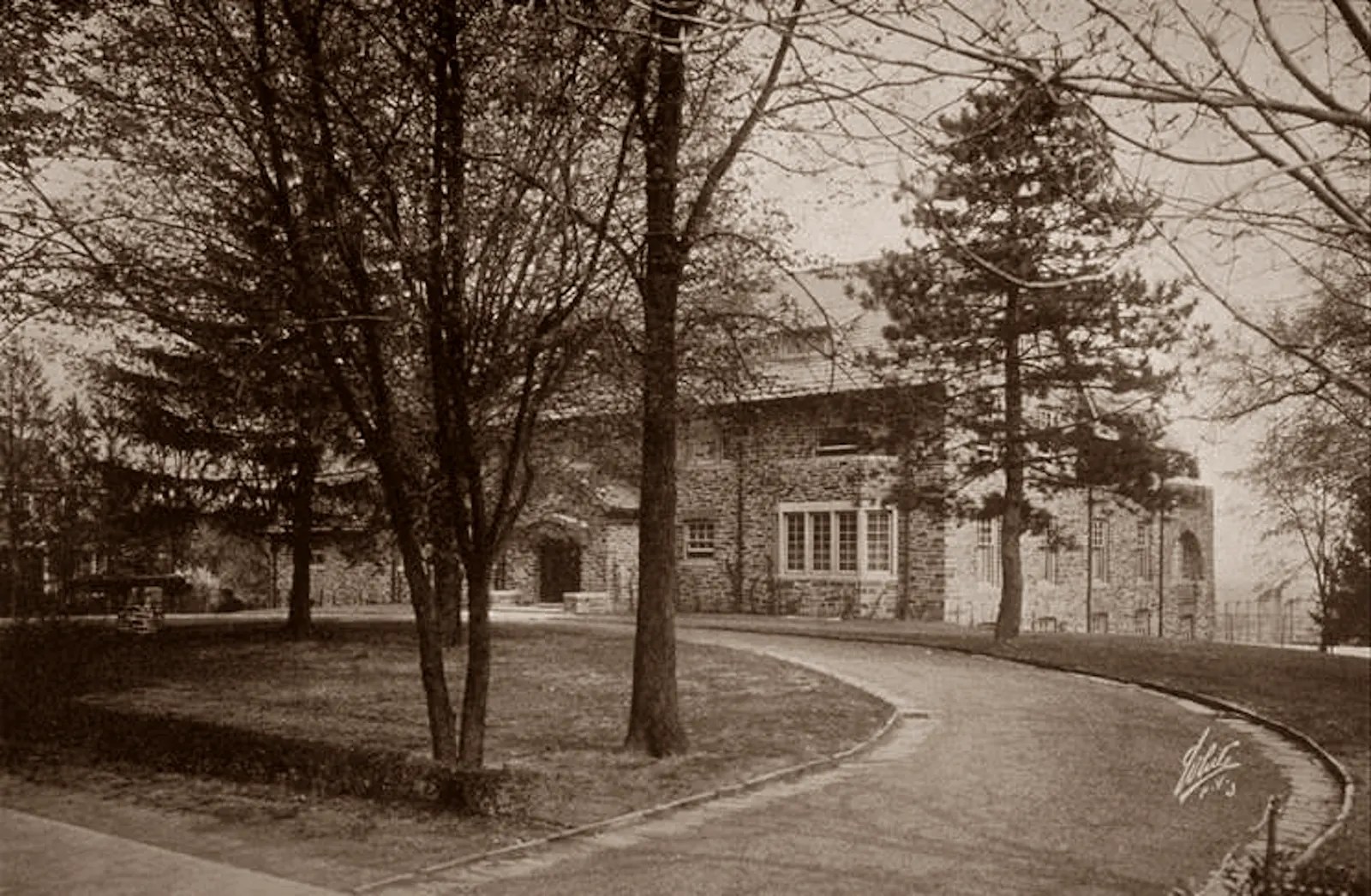
History

Founding
Cannon Club was founded in 1895 within a small house on William Street that had been home to Tiger Inn for the previous two years. From 1896 to 1899 it was located in the “Incubator” a small house, at that time on Olden Street, that served as an early home to many of the Eating Clubs as they established themselves and sought to build clubhouses.
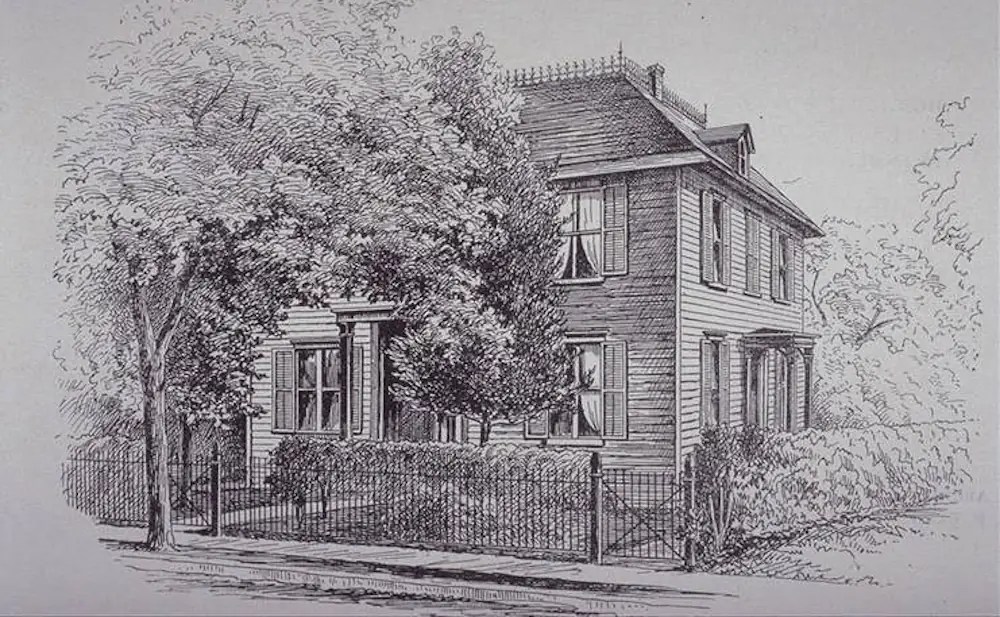

In 1899, Cannon Club purchased the Osborn House that stood on the south side of Prospect Avenue, between the McCosh and West residences. That home fell into disrepair by 1908 and Edgar Viguers Seeler, a prominent Philadelphia architect, was commissioned to build a new clubhouse.
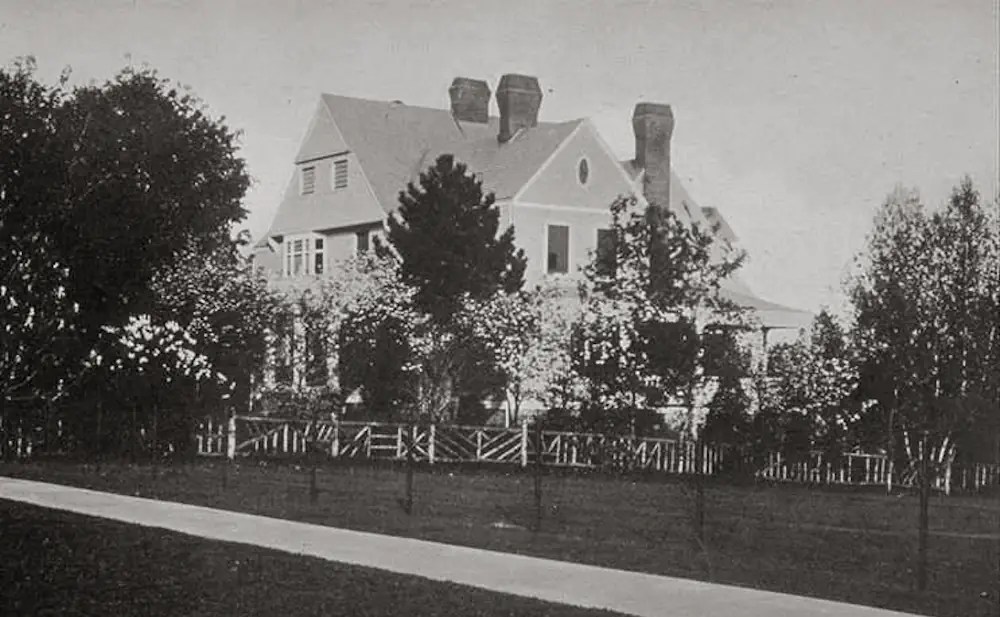
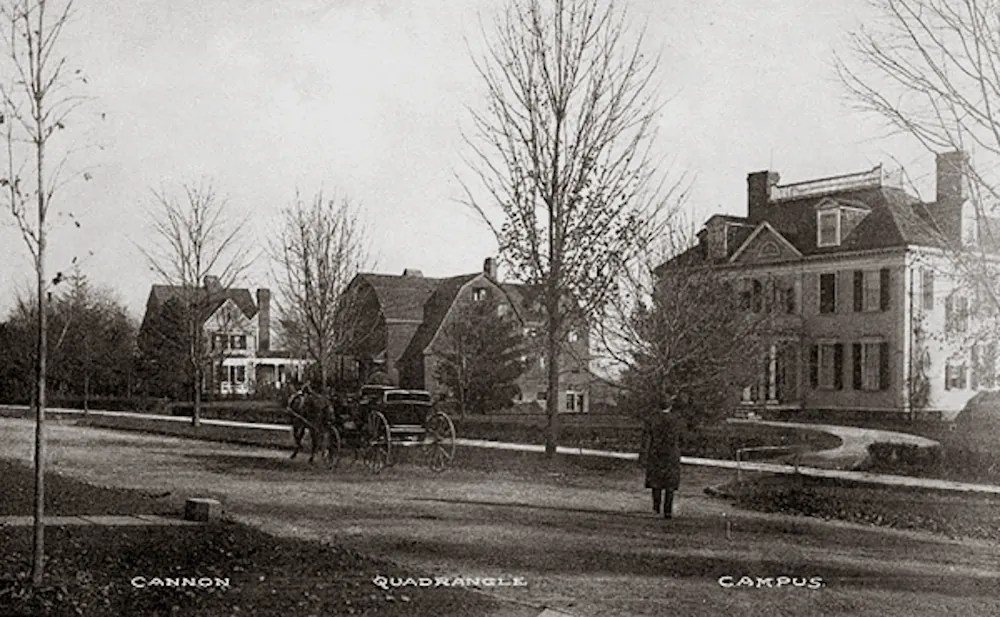
That Collegiate Gothic clubhouse, completed in 1910, was the first of the clubs to make use of local stone. While the facade has been described as plain in comparison with other clubs, the rear elevation and interiors have been praised, with the two-story living room considered one of the finest interior spaces found on Prospect.
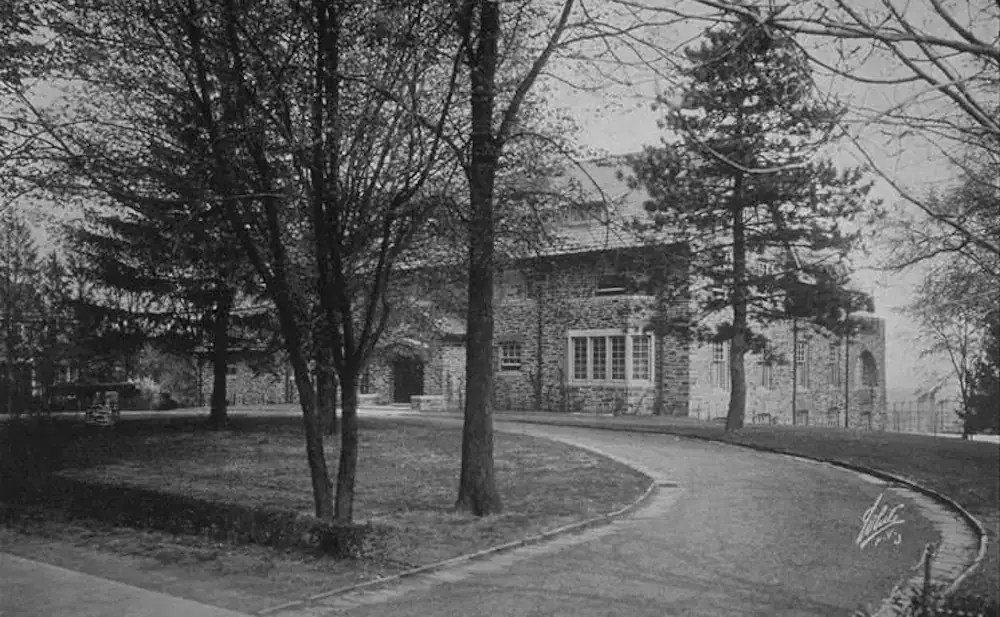

The eponymous, Revolutionary War era cannon sits in front of the clubhouse, pointed at Prospect Avenue. President-elect Woodrow Wilson, on a last stroll before departing for Washington, commented to reporters: “Hardly a chummy entrance that!”
All historical images above courtesy of and property of the Trustees of Princeton University. Learn more about the history of Princeton’s Eating Clubs at the Princetoniana Museum site.
Dial Lodge
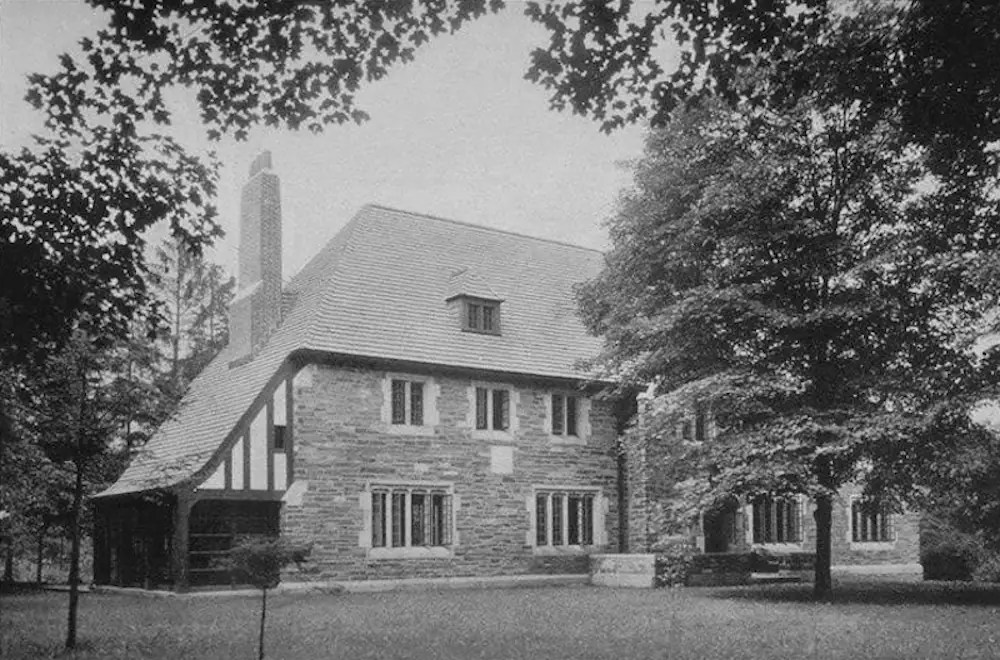
Dial Lodge was founded in 1907 and moved into its Clubhouse at 26 Prospect Avenue in 1917 where it operated for over 75 years. In 1990 Dial merged with Cannon Club and a year later the Club merged with Elm Club. In 1999 the Dial property was traded to the University as part of a transaction in which the Club acquired the Cannon property.
The Dial building now houses the Bendheim Center for Finance, but the Sun Dial that was built into the front façade of the Dial Lodge Clubhouse remains today. Dial was well known in the club community as one of the more “spirited” clubs on the Street.
More about Dial Lodge
Originally a bicker club, Dial became a sign-in co-ed club in 1970 and became popular for attracting an eclectic group of athletes, intellectuals, artists and other kindred spirits. They all shared a common desire to have a good time and establish an “oasis” at Princeton: a club where they could be themselves in an open, friendly, fun and non-judgmental environment.
Dial’s doors were always open and, while never mainstream, Dial was always true to its values of openness, good times and inclusion.
Dial was known for not only beer on tap 24/7 but also many “institutional” weekly events including Wednesday Night Club, Thursday Night at the Bar, countless encounters in the Red Eye Lounge and nightly viewings of M*A*S*H, Star Trek, and Cheers. Among the many Dial traditions of the 1980s were Blow Pong competitions (particularly with TI – Dial definitely having more wins than losses), Yasgur’s Farm on the Lawn (an outdoor concert on Dial’s front lawn which drew all Princetonians to the Club like a magnet with the best Robert Plant look alike EVER), and Barbarian Day (an iconic Dial event, infamous for Dial members dressed in faux fur and leather staying up all night to roast their suckling pig in the front yard and terrorizing all with their barbaric behavior).
Elm Club
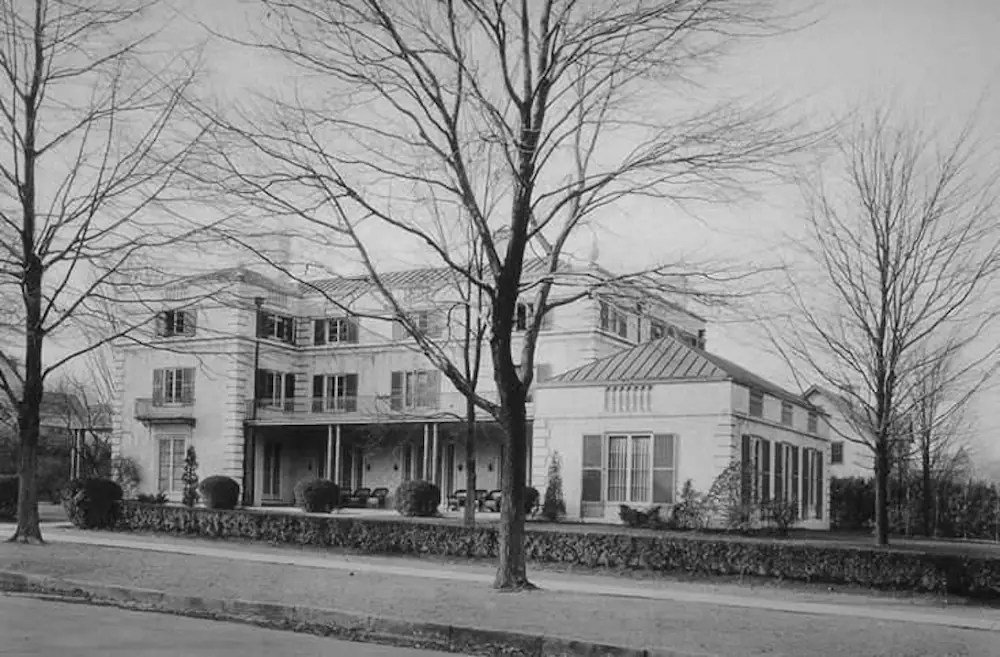
Elm Club was founded in 1895 (as the seventh eating club at Princeton) and opened its Clubhouse at the corner of Olden and Prospect in 1901. Elm operated from 1895 through 1973 when it temporarily suspended operations and leased its building to the University.
Student demand, including an effort by a group of co-eds interested in creating an all female selective club, resulted in Elm reopening in its Clubhouse in 1978 as a sign-in co-ed club. Elm merged with the Dial and Cannon Clubs in 1991 and operations continued in the Elm Clubhouse through 1998. In 1999 the merged Club traded the Dial and Elm properties to the University for the Cannon property.
Currently, the original Elm building is operated by the University as the Carl A. Fields Center.
More about Elm Club
During the years of Elm’s operation there were many exceptional member events, sports and party activities held at the Clubhouse. Member events included many creative and hilarious theme nights: Tacky Dress (plaid on plaid, etc.), Medieval Nites (no utensils!), Come As You Are Not costume parties, etc.
One of the many bands that played at Elm was that of Jerry Lee Lewis, who arrived with his teenage wife. When, in the mid-1960s, the University moved to restrain club parties by limiting the number of weekends on which the clubs could hire bands, Elm enrolled many student musicians in bicker and formed the Club’s own Band.
In the 1980s, when he was only known as “Mork”, from the popular sit-com of the time, Robin Williams demonstrated his unique gyrations on the Elm dance floor and entertained Club members with his preppie imitations next to the Elm tree in the Club’s downstairs pub. Many famous Princetonians were Elm members, including the late financial publisher Malcolm Forbes, a noted entrepreneur, motorcyclist, ballooner and raconteur for whom Forbes College is named.
Dial Elm Cannon Club (DEC)

Dial Elm Cannon Club was created from the merged Clubs in 1991. Elm was used for meals, parties, and other social events, while Dial was an additional residence facility for the Club’s members. With the available rooms in the 2 buildings combined, approximately 30 members of the Club could live on Prospect Avenue.
“Dial Room Draw” was eagerly anticipated every spring by the interested membership. Much like the situation with the parking lot behind the Cannon building today, ample parking was available to the membership from the lots behind Dial and Elm. A “Snicker” process which combined elements of sign-in and bicker was used for admitting new members.
More about Dial Elm Cannon Club
The members of DEC carried on several traditions started by the members of its constituent Clubs, as well as creating their own traditions. The Dial moose was the Club’s official mascot, and the semi-annual Beer Pong tournament drew entries from many alumni as well as current students. Beirut became a popular game in the last few years of the Club’s operation. Toga parties, various theme nights, and all around good fun were had by all members. Train, who won a recent Grammy award , was the last band to play at DEC in Spring of 1998.
 Cannon Dial Elm Club